




- Choosing a selection results in a full page refresh.
Free standard shipping on orders over 150 AED
Estimated to be delivered on Same Day or Next Day.
100% Return & Exchange
Lorem ipsum dolor sit amet, consectetur adipiscing elit, sed do eiusmod tempor incididunt ut labore et dolore magna aliqua. Ut enim ad minim veniam, quis nostrud exercitation ullamco laboris nisi ut aliquip ex ea commodo consequat. Duis aute irure dolor in reprehenderit in voluptate velit esse cillum dolore eu fugiat nulla pariatur. Excepteur sint occaecat cupidatat non proident, sunt in culpa qui officia deserunt mollit anim id est laborum.
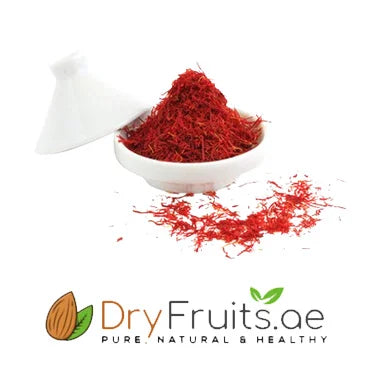
Saffron - the spice that costs more than gold by weight and makes you feel fancy just owning it. Those delicate red threads with an earthy, slightly floral aroma that transforms ordinary dishes into something special. Most people buy tiny amounts for biryani, special desserts, or saffron milk. A few threads are enough to color and flavor an entire pot - you literally count the strands. The real stuff is expensive because it's hand-harvested from crocus flowers - thousands of flowers for one gram. Fake saffron is everywhere, so buy carefully. When you get authentic saffron, you'll understand why it's called red gold.
Why Saffron Commands Such High Price
Each crocus flower produces only three saffron threads (stigmas). Takes about 150,000 flowers to make one kilogram of dried saffron. Must be hand-picked during a few weeks in autumn, early morning before flowers wilt. Grown mainly in Iran, Kashmir, and Spain - specific climate conditions required. Contains crocin (color), safranal (aroma), and picrocrocin (flavor) - the compounds that make it unique. Used for thousands of years in Persian, Indian, Arabic, and European cuisines. Not just expensive - it's labor-intensive and rare. No machine can replace human hands for harvesting.
Quality saffron threads should be deep red to crimson color with slight orange tips. Threads should be thin, long, and trumpet-shaped at the end. Should smell distinctly floral, slightly sweet, and earthy - not hay-like or no smell. Should feel dry and brittle, not soft or moist. Avoid bright red threads that look too uniform (probably dyed). Yellow threads mixed in means lower quality (those are stamens, not stigmas). When soaked in water, should release golden-yellow color slowly, and threads should retain their red color - if water turns red immediately, it's fake or dyed.
Let's be clear about what research shows:
| Nutritions | How Much |
|---|---|
| Calories | 3.1 kcal |
| Protein | 0.1 g |
| Fat | 0.1 g |
| Carbs | 0.7 g |
| Fiber | 0.04 g |
| Iron | 0.1 mg |
| Magnesium | 2.6 mg |
| Vitamin C | 0.8 mg |
(Used in very tiny amounts - typically 0.1g or few threads per dish)
Precious, aromatic, transformative. Saffron in Dubai - the spice worth every dirham.
8-10 threads for a pot of biryani serving 4-6 people. For desserts like kheer, 5-8 threads. For tea, 3-4 threads per cup. More doesn't mean better - too much makes food taste medicinal or bitter. Always soak threads in warm liquid first to release color and flavor. A little goes incredibly long way.
Real saffron has trumpet-shaped ends, deep red color with slight orange tips, and releases golden-yellow color slowly when soaked. Threads should retain their red color in water. Fake saffron turns water red immediately or has no smell. Real saffron smells distinctly floral-earthy. If price seems too good to be true, it's probably fake or low quality.
Labor intensive harvesting - must be hand-picked from thousands of flowers. Each flower gives only 3 threads. Limited growing regions and short harvest season. Takes about 150,000 flowers for 1kg of saffron. No mechanical way to harvest it. This isn't artificial pricing - it's genuine scarcity and labor cost.
Yes, always soak in warm water, milk, or rose water for 10-15 minutes before adding to dishes. This releases the color, aroma, and flavor. Don't add dry threads directly to food - you won't get the full benefit. The soaking liquid should be added along with the threads.
Properly stored, 2-3 years. Keep in airtight container, cool, dark, and dry place. Never refrigerate - condensation damages it. Light, heat, and moisture are enemies. If aroma fades significantly or color looks dull, it's losing potency. Buy small quantities and use within reasonable time.
Yes, traditional beauty ingredient. Mix few threads soaked in milk with honey or gram flour for face mask. May help with brightening and glow. Use 2-3 times a week. But don't expect dramatic results - effects are subtle. Never apply directly to skin without diluting.
In food amounts (few threads in cooking), generally safe. But avoid large or medicinal amounts - high doses can stimulate uterus. Traditional belief says too much causes miscarriage. Stick to normal culinary quantities. If concerned, consult your doctor. Some cultures avoid it completely during pregnancy out of caution.
Some studies show saffron extract (30mg daily) may help with mild to moderate depression, similar to some antidepressants. But this is supplement dosage, not cooking amounts. Don't self-treat depression with saffron - see a mental health professional. The few threads in food won't have therapeutic effect.
Super Negin/Sargol (all-red threads, no yellow) is highest grade - most potent and expensive. Pushal includes some yellow parts - less expensive, still good. Bunch saffron has stems and other parts - lowest grade. Red threads are stigmas (what you want), yellow are stamens (less valuable). Grade affects price and potency significantly.
Yes, but only if using immediately. Grind with mortar and pestle or spice grinder. Add pinch of sugar to make grinding easier. Ground saffron loses potency faster than threads. Easier to fake ground saffron too. Threads are more reliable for quality assurance.
It loses potency over time but doesn't spoil like fresh food. Old saffron has weak aroma and pale color. If stored improperly (moisture, light, heat), can develop mold or off smell - then it's bad. Properly stored saffron just becomes less effective gradually. Trust your nose and eyes.
Spice souks in Dubai (Deira), Iranian or Afghan shops, and high-end grocery stores. Look for reputable sellers with return policies. Price indicator - real saffron is expensive, period. Too cheap means fake or very low quality. Check for natural red color with orange tips. We deliver premium authentic saffron across Dubai, Abu Dhabi, and Sharjah.
Free Delivery All over UAE *
We Provide delivery in 24 - 48 Hours in Dubai, Sharjah, Ajman.
Abu Dhabi, Alain, Fujairah, Ras Al-Khaimah, Um-Al-Quwain are covered in 48 - 72 Hours.
* Your Delivery becomes free once you reach the minimum amount of the order.
100% Return & Exchange
Thanks for subscribing!
This email has been registered!
| Product | SKU | Description | Collection | Availability | Product Type | Other Details |
|---|