





- Choosing a selection results in a full page refresh.
Free standard shipping on orders over 150 AED
Estimated to be delivered on Same Day or Next Day.
100% Return & Exchange
Lorem ipsum dolor sit amet, consectetur adipiscing elit, sed do eiusmod tempor incididunt ut labore et dolore magna aliqua. Ut enim ad minim veniam, quis nostrud exercitation ullamco laboris nisi ut aliquip ex ea commodo consequat. Duis aute irure dolor in reprehenderit in voluptate velit esse cillum dolore eu fugiat nulla pariatur. Excepteur sint occaecat cupidatat non proident, sunt in culpa qui officia deserunt mollit anim id est laborum.
Cash on Delivery available for Dubai and Sharjah.
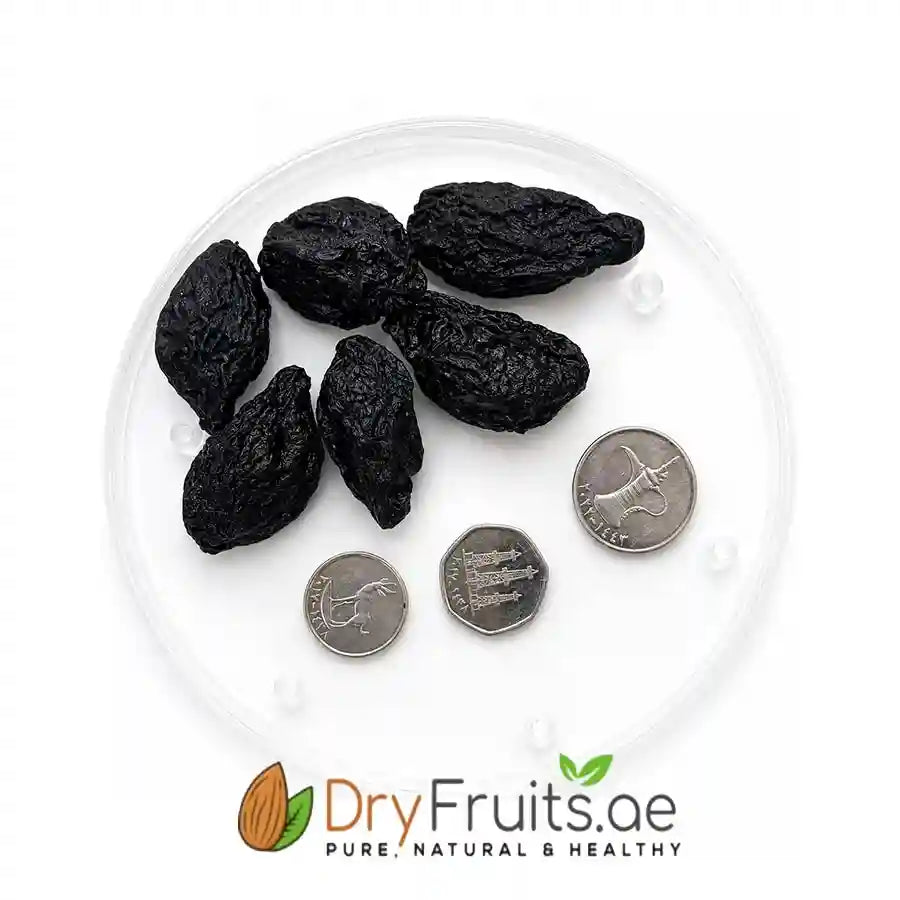
Prunes — those dark, wrinkled, jammy dried plums that taste like concentrated sunshine wrapped in a soft, chewy bite. Also known as dried plums, made from the Prunus domestica variety, specifically grown and harvested for drying. Most people buy prunes for one well-known reason — digestive support — but the truth is they are so much more than that. The taste is deeply sweet with a subtle tang, almost molasses-like, and the texture is soft, moist, and slightly sticky. Usually eaten as a snack straight from the bag, soaked in water for a softer bite, or stewed into compote. Common in households across the world as both a snack and a natural remedy. A staple in health-conscious kitchens for its fibre content and natural sweetness.
Prunes come from specific plum varieties grown for drying — primarily in regions with the right climate for sun-ripened fruit, including parts of the Mediterranean, the US, and increasingly cultivated and exported across various global suppliers. Used for centuries across multiple cultures, not just as food but as a trusted natural remedy passed down through generations. Long before modern supplements existed, prunes were the household answer to sluggish digestion. Contains naturally occurring sorbitol, fibre, and plant compounds that explain why this fruit has such a strong reputation for gut health. Traditionally used for supporting regular digestion, bone health, and providing a steady, natural source of energy. The deep dark colour and rich, jammy texture come from the natural sugars concentrating as the plum dries — no added sugar required. Widely available but quality differs significantly — good prunes should be plump and moist, not hard, dry, or overly sticky from added syrup.
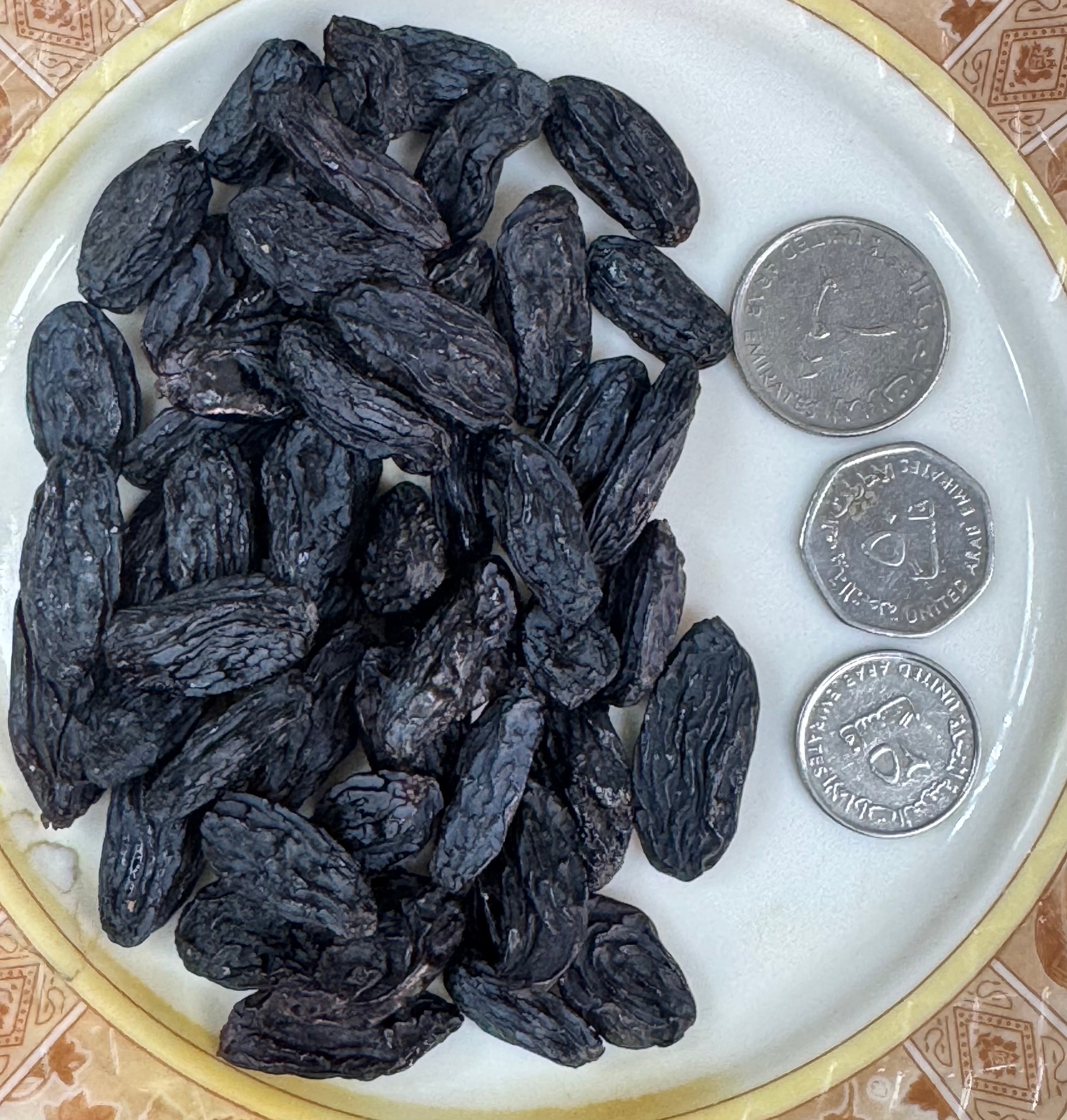
Quality prunes should be dark purple-black to deep brown — wrinkled but plump, never dried out to the point of hardness. Should feel soft and slightly tacky to the touch — not rock hard or overly sugary-sticky. Should smell naturally sweet and fruity — no sourness, mustiness, or chemical smell. Fresh prunes have a glossy, slightly moist appearance — dull, dusty-looking prunes are likely old stock. Pieces should be relatively uniform in size with the pit removed (pitted) for convenience, or with pit intact for traditional whole prunes. Should give slightly when pressed — not snap or crumble. No mold, fermentation smell, or visible sugar crystals on the surface. Larger, plumper prunes generally indicate better quality fruit before drying.
Well-known and research-supported uses:
| Nutrition | How Much |
|---|---|
| Calories | ~240 kcal |
| Protein | 2.2 g |
| Fat | 0.4 g |
| Carbohydrates | 64.0 g |
| Natural Sugars | 38.0 g |
| Fiber | 7.1 g |
| Potassium | 732 mg |
| Iron | 0.9 mg |
| Vitamin K | 60 mcg |
(Values are estimates based on standard pitted dried prunes)
Sweet, soft, deeply nourishing. Prunes in Dubai — a natural remedy that tastes like dessert.
1. How many prunes should I eat per day for digestion?
Most people see results with 3 to 5 prunes daily, ideally eaten in the morning. Effects from natural sorbitol and fibre usually show within a few hours to a day. Start with a smaller amount if you are new to eating prunes regularly, since too many at once can cause bloating or loose stools. Drinking water alongside helps the fibre work effectively. For ongoing digestive support, consistency matters more than quantity — a few prunes daily works better than a large amount occasionally.
2. What is the difference between prunes and dried plums?
None — they are the same thing. "Prune" is simply the traditional name for a dried plum, specifically from varieties of Prunus domestica that are suited for drying due to their high sugar content and ability to dry without fermenting around the pit. Some markets rebranded them as "dried plums" for marketing reasons, but nutritionally and botanically, prunes and dried plums are identical.
3. Can prunes help with constipation immediately?
Not instantly, but fairly quickly. Most people experience effects within 6 to 12 hours, sometimes up to 24 hours, depending on individual digestion. The natural sorbitol draws water into the intestines while the fibre adds bulk — together they support a natural bowel movement. For acute, severe constipation, prunes are a gentle first step, not a fast-acting solution. If symptoms persist beyond a few days despite regular prune consumption, consult a doctor.
4. Are prunes safe for daily consumption?
Yes, for most healthy adults, 4 to 6 prunes daily is considered safe and beneficial. They are nutrient-dense and the natural compounds offer genuine digestive and bone health benefits. Eating excessive amounts — well beyond a handful — may cause bloating, gas, or loose stools due to the sorbitol content. As with any dried fruit, portion awareness matters because of the concentrated natural sugar.
5. Can diabetics eat prunes?
Prunes have a relatively moderate glycaemic index compared to many other dried fruits, and their fibre content helps slow sugar absorption. That said, they are still calorie-dense and contain natural sugar, so portion control is essential. Diabetics can typically enjoy a small serving (2–3 prunes) but should monitor blood sugar response individually. Always consult your doctor or dietitian for guidance specific to your condition.
6. How do I make prune juice at home?
Soak 8 to 10 prunes in warm water for several hours or overnight. Blend the prunes with the soaking water until smooth, then strain if you prefer a clearer juice, or leave it pulpy for extra fibre. Drink fresh — homemade prune juice doesn't have the long shelf life of store-bought versions since there are no preservatives. Adjust thickness by adding more or less water during blending.
7. Why do prunes sometimes taste sticky or overly sweet?
This usually indicates added sugar syrup, used by some lower-quality producers to enhance shine and prevent the fruit from drying out further. Naturally dried prunes already have plenty of sweetness from their own sugars — they don't need added syrup. If a prune feels excessively sticky or tastes unusually sugary beyond the fruit's natural character, check the ingredient label for added sugars or glucose syrup.
8. How should I store prunes?
Keep in an airtight container in a cool, dry place — a pantry works fine for short-term storage. For longer freshness, refrigerate, which keeps prunes moist and fresh for up to 6 months. They can also be frozen for up to a year without significant texture loss. Always reseal tightly after opening, as prunes can dry out further or absorb moisture and surrounding odours if left exposed.
9. Can children eat prunes?
Yes, prunes are commonly given to children, including as a gentle remedy for occasional constipation. For infants over 6 months, prune puree is a well-known first food in many cultures specifically because of its digestive benefits. For older children, a small handful makes a healthy natural snack. As with adults, moderation is key — too many can cause loose stools in children more easily due to their smaller body size.
10. Are prunes good for bone health?
Yes, this is one of the more well-researched benefits of regular prune consumption. Multiple studies have associated daily prune intake with improved bone density, particularly in postmenopausal women. The combination of vitamin K, potassium, and phenolic compounds is believed to play a role in supporting bone structure. While not a replacement for calcium or vitamin D, prunes are considered a beneficial addition to a bone-supportive diet.
11. Can pregnant women eat prunes?
Yes, prunes are generally considered safe and even beneficial during pregnancy. Constipation is common in pregnancy, and prunes offer a natural, gentle remedy without the need for medication. They also provide useful iron and potassium during a time when nutrient needs increase. As always, moderate portions are recommended, and any specific concerns should be discussed with your doctor or midwife.
12. Where can I buy authentic premium prunes in Dubai?
Dry fruit specialty stores, health food shops, and supermarkets across Dubai, Abu Dhabi, and Sharjah all carry prunes, but quality varies. Look for plump, dark, naturally moist prunes without added sugar coating or excessive stickiness. Avoid very hard or overly dry stock, which indicates age or poor storage. We deliver premium pitted prunes across Dubai, Abu Dhabi, Sharjah, and Ajman with Cash on Delivery available.
Free Delivery All over UAE *
We Provide delivery in 24 - 48 Hours in Dubai, Sharjah, Ajman.
Abu Dhabi, Alain, Fujairah, Ras Al-Khaimah, Um-Al-Quwain are covered in 48 - 72 Hours.
* Your Delivery becomes free once you reach the minimum amount of the order.
100% Return & Exchange
Thanks for subscribing!
This email has been registered!
| Product | SKU | Description | Collection | Availability | Product Type | Other Details |
|---|