





- Choosing a selection results in a full page refresh.
Free standard shipping on orders over 150 AED
Estimated to be delivered on Same Day or Next Day.
100% Return & Exchange
Lorem ipsum dolor sit amet, consectetur adipiscing elit, sed do eiusmod tempor incididunt ut labore et dolore magna aliqua. Ut enim ad minim veniam, quis nostrud exercitation ullamco laboris nisi ut aliquip ex ea commodo consequat. Duis aute irure dolor in reprehenderit in voluptate velit esse cillum dolore eu fugiat nulla pariatur. Excepteur sint occaecat cupidatat non proident, sunt in culpa qui officia deserunt mollit anim id est laborum.
Very satisfied with my purchase. Lump sugar The products are premium quality, and the staff is friendly and helpful.” Fast delivery, great packaging, and amazing quality. I will definitely order again.”
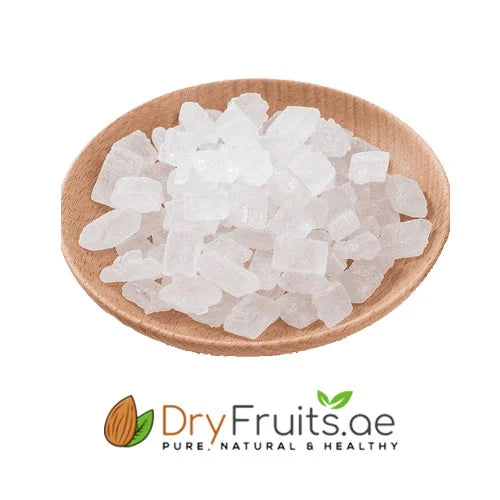
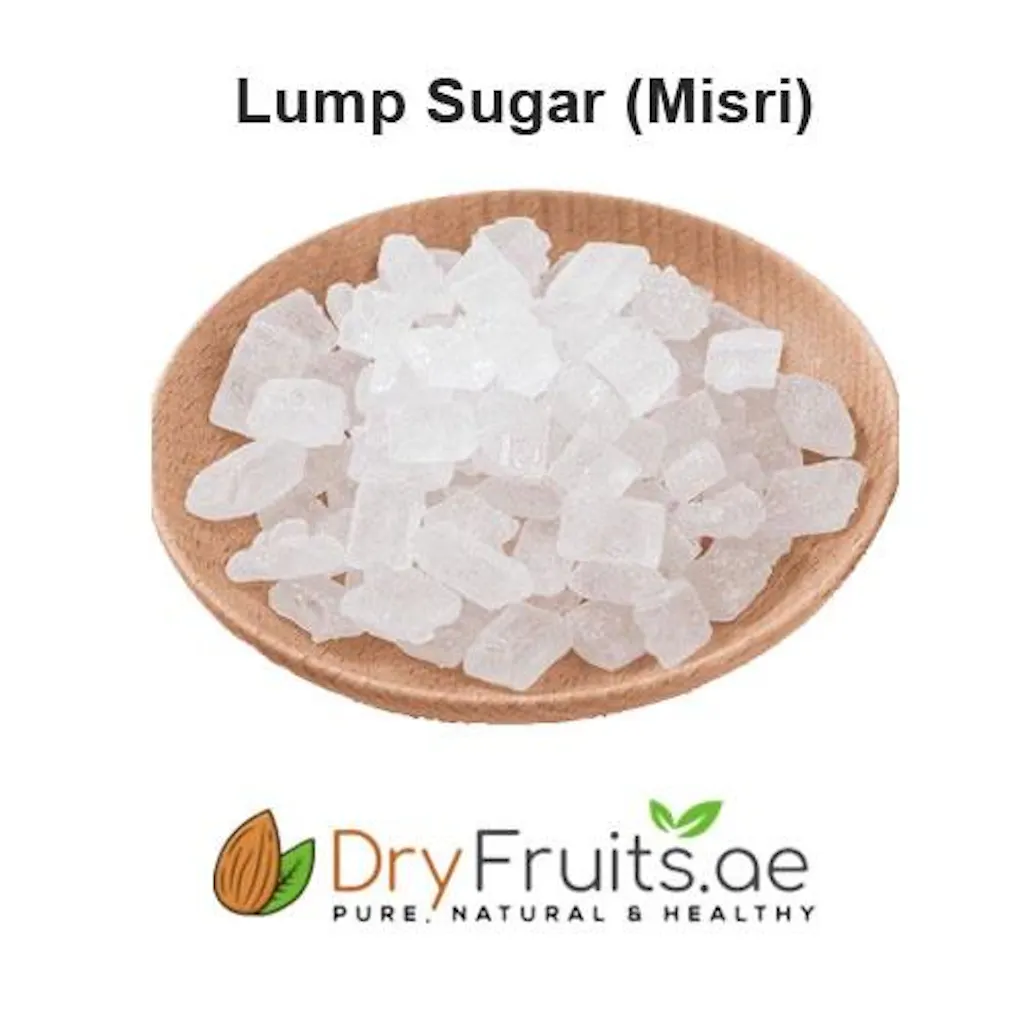
Lump sugar - those chunky, translucent crystals that look like fancy rocks but are actually pure crystallized sugar. Also called misri, rock candy, or sugar candy. Most people use it in traditional remedies, religious offerings, or to sweeten tea the old-fashioned way. It's less processed than white sugar - just pure cane sugar juice crystallized slowly. The irregular chunks dissolve slower than granulated sugar, releasing sweetness gradually. Popular in Ayurveda and traditional medicine - believed to be easier on digestion than refined sugar. Your grandmother probably put it in milk for sore throats or gave you a piece after bitter medicine. Looks impressive, tastes like pure sweetness, and dissolves beautifully in hot drinks. Not healthier than sugar calorie-wise, but it's unrefined and traditional.
Made by slow crystallization of pure sugarcane juice - minimal processing compared to refined white sugar. Ancient method used for thousands of years in India and Middle East. The large crystals form naturally over days or weeks - can't be rushed. Contains trace minerals from sugarcane that refining removes - iron, magnesium, calcium in tiny amounts. Used in Ayurvedic medicine as "cooling" sweetener - balances heat in body. Traditional remedy for voice improvement, throat issues, and digestive problems. Dissolves slower than granulated sugar, so sweetness releases gradually. The irregular crystal structure is visually appealing - used in religious ceremonies and offerings. More expensive than white sugar because production is slower and yield is lower.
Quality misri should be translucent to white in color - clear or slightly off-white crystals. Irregular, chunky shapes - no two pieces identical. Should be hard and crystalline, making sound when pieces touch. Should smell neutral or slightly sweet - no chemical or burnt smell. Dissolves completely in water without residue. Avoid yellowed, sticky, or clumped pieces - signs of moisture or impurities. No artificial coloring - natural misri ranges from clear to white. Large chunks are premium - smaller broken pieces indicate handling damage. Should be clean with no debris or foreign particles.
Let's be realistic - it's still sugar, but traditional uses include:
| Nutritions | How Much |
|---|---|
| Calories | 387 kcal |
| Protein | 0 g |
| Fat | 0 g |
| Carbs | 99.8 g |
| Sugar | 99.8 g |
| Calcium | 1 mg |
| Iron | 0.1 mg |
| Sodium | 1 mg |
(Pure sugar - use sparingly, it's still high in calories)
Pure, traditional, crystalline. Lump Sugar (Misri) in Dubai - sweetness the ancient way.
1-2 small pieces (about 5-10g) per cup, depending on sweetness preference. Dissolves slower than granulated sugar - give it time. Stir occasionally to help dissolving. Same sweetness as regular sugar, just different form. Start with one piece, taste, add more if needed. The slow dissolution means you might need less overall.
Slightly less processed and retains trace minerals, but nutritionally very similar to sugar. Same calories, same effect on blood sugar. The "health benefits" are traditional beliefs, not proven science. It's still 99% sugar. Better than artificial sweeteners for some people, but not a health food. Use it for tradition and taste, not health reasons.
No - it's pure sugar, raises blood glucose just like any sugar. The crystalline form doesn't change its glycemic impact. Traditional medicine claims aside, science says it's sugar. Diabetics should avoid or use extremely sparingly. No advantage over regular sugar for blood sugar control. Treat it like any other sugar - severe restriction needed.
The slow dissolving coats throat, which provides temporary soothing relief. Singers traditionally use it before performances. But it's the moisture and coating action, not special properties of misri specifically. Any hard candy would do similar. Hydration and rest matter more. Won't cure throat infection - see doctor for serious issues. Comforting traditional remedy, not medical treatment.
Misri is typically unrefined cane sugar crystals. Western rock candy is often refined sugar crystallized on strings - clearer, more uniform. Misri tends to be whiter, more irregular. Both are crystallized sugar but processing differs. Misri may retain more minerals. Functionally very similar - both are sugar crystals. Regional names for similar products.
Yes, but inconvenient - needs crushing or dissolving first. Works in liquids like syrups, drinks, or slow-cooked dishes where it dissolves. Not practical for baking - granulated sugar is easier. For traditional sweets and specific recipes calling for misri, yes. For everyday cooking, regular sugar is more practical. The crystal form is its charm - crushing defeats the purpose.
Traditional symbol of sweetness and purity in Hindu and other religious practices. The large crystals look premium and special. Unrefined nature represents naturalness and tradition. Used in prasad (blessed food) and puja ceremonies. Cultural and religious significance beyond practical use. The irregular crystals are considered auspicious. Long-standing tradition across South Asia.
Airtight container in cool, dry place. Away from moisture - humidity makes it sticky and clumpy. Sugar doesn't spoil but absorbs odors and moisture. Properly stored, lasts indefinitely. If it gets sticky, spread in sun for few hours to dry. Don't refrigerate - condensation causes problems. Keep away from strong-smelling foods - absorbs odors easily.
Yes, but it's sugar - same tooth decay and health concerns as candy. Traditionally given to babies in India (not recommended by modern pediatrics). For older children as occasional treat, fine. Better than artificially flavored candy but still sugar. Monitor amounts - easy for kids to keep sucking on pieces. Supervise young children - small pieces can be choking hazard.
Traditional practice - small piece with fennel seeds after meals. May stimulate saliva and digestive enzymes. Psychological satisfaction of sweet ending to meal. But no strong scientific evidence it improves digestion. Won't hurt in small amounts. Better than heavy desserts for light digestive finish. Cultural practice more than proven remedy.
Yes, but takes days. Boil sugar and water (2:1 ratio) until supersaturated. Pour into clean jar, hang string, leave undisturbed for 5-7 days. Crystals form on string. Temperature and patience crucial. Homemade is smaller, clearer crystals. Fun project but buying is easier for most people. Traditional production uses huge vats and specific conditions.
Every Indian, Pakistani, and Middle Eastern grocery store carries it. Large supermarkets in international section. Look for translucent white chunks, not yellowed or sticky. Check for cleanliness and proper packaging. Common during Diwali and religious festivals - widely stocked then. Health food stores carry it as "rock candy." Very accessible in Dubai's multicultural markets. We deliver premium lump sugar (misri) across Dubai, Abu Dhabi, and Sharjah.
Free Delivery All over UAE *
We Provide delivery in 24 - 48 Hours in Dubai, Sharjah, Ajman.
Abu Dhabi, Alain, Fujairah, Ras Al-Khaimah, Um-Al-Quwain are covered in 48 - 72 Hours.
* Your Delivery becomes free once you reach the minimum amount of the order.
100% Return & Exchange
Thanks for subscribing!
This email has been registered!
| Product | SKU | Description | Collection | Availability | Product Type | Other Details |
|---|