





- Choosing a selection results in a full page refresh.
Free standard shipping on orders over 150 AED
Estimated to be delivered on Same Day or Next Day.
100% Return & Exchange
Lorem ipsum dolor sit amet, consectetur adipiscing elit, sed do eiusmod tempor incididunt ut labore et dolore magna aliqua. Ut enim ad minim veniam, quis nostrud exercitation ullamco laboris nisi ut aliquip ex ea commodo consequat. Duis aute irure dolor in reprehenderit in voluptate velit esse cillum dolore eu fugiat nulla pariatur. Excepteur sint occaecat cupidatat non proident, sunt in culpa qui officia deserunt mollit anim id est laborum.
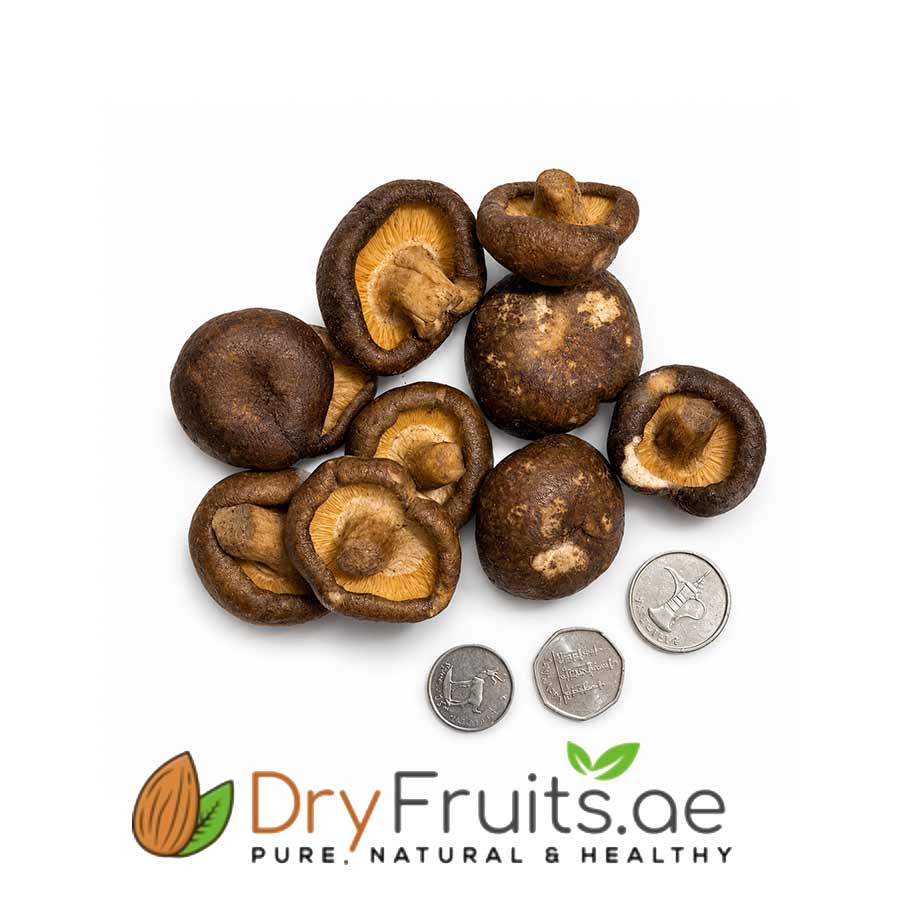
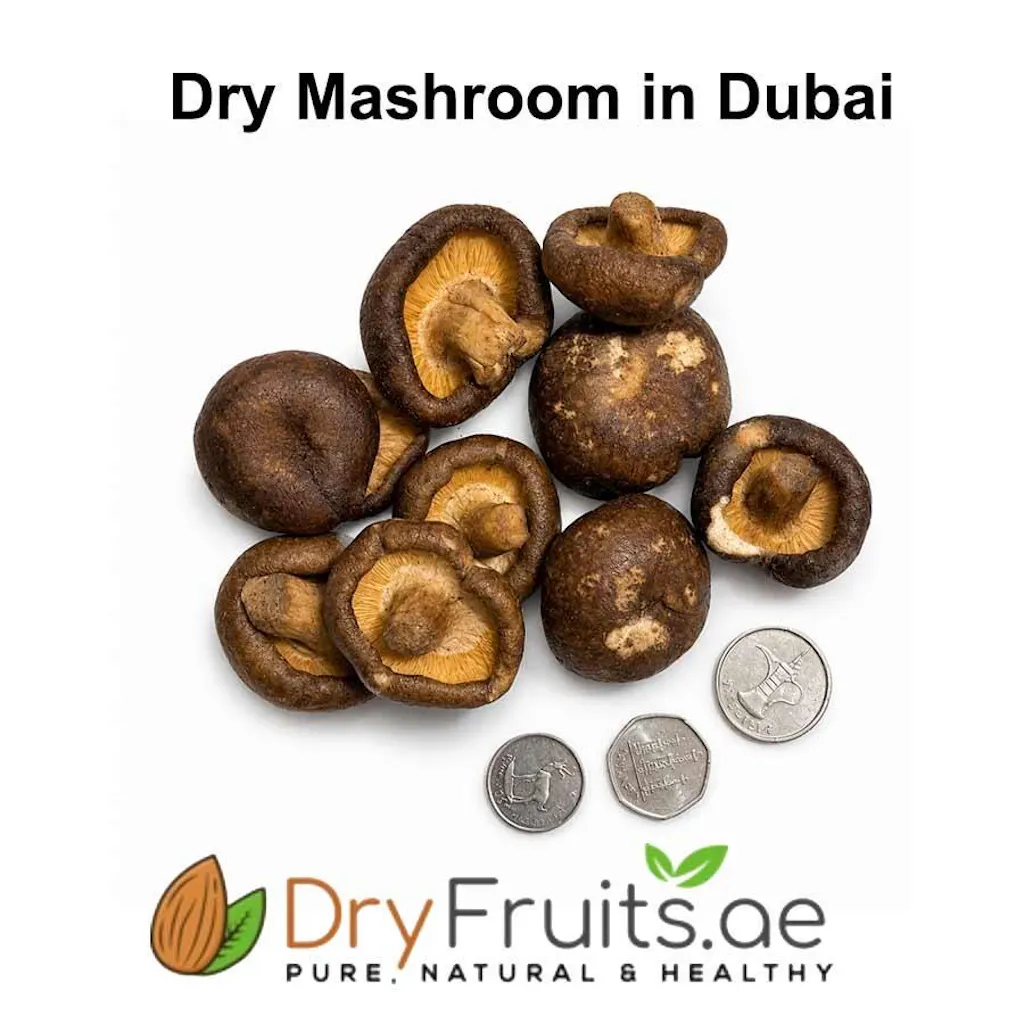
Excellent quality dried mushrooms! Fresh aroma, rich flavor, and perfect for soups and pasta. Rehydrates quickly and tastes amazing.” — Sarah M.
Cash on Delivery available for Dubai and Sharjah.
Kaff Maryam — that small, tightly curled desert plant that looks completely dead and lifeless until you place it in water, and then slowly, branch by branch, it opens back up. That single quality has made it one of the most symbolically powerful herbs in the Arab world. Also known as Rose of Jericho, Resurrection Plant, or Anastatica hierochuntica. Most people buy it for women's health — it has been used across the Middle East for generations as a traditional remedy for easing childbirth, relieving menstrual cramps, and supporting recovery after delivery. The taste of its tea is mild and earthy, the smell subtle and dry. Usually steeped in warm water and consumed as a herbal tea, or the soaking water is applied externally for skin and hair. Not a cooking ingredient — this is strictly a medicinal and wellness herb, deeply rooted in Islamic and Arab traditional healing practice.
Kaff Maryam comes from Anastatica hierochuntica, a small annual desert plant native to the Sahara and Arabian desert regions — found growing wild across Saudi Arabia, UAE, Egypt, Jordan, Kuwait, Oman, and Iraq. Used for over a thousand years in Arab folk medicine, Egyptian traditional healing, Unani practice, and spiritual wellness traditions across the Islamic world. The name itself means "Mary's Hand" in Arabic — a reference to the plant's curled, hand-like shape when dry, and deeply tied to Islamic and Christian spiritual symbolism. Traditionally placed near women during labor — the belief being that as the plant opens in water, childbirth becomes easier. Contains natural phenolic compounds, flavonoids, and minerals including magnesium, calcium, and manganese — the same compounds researchers have linked to its antioxidant and antimicrobial activity. Used in traditional practice for menstrual cramps, uterine support, digestive complaints, respiratory issues, blood sugar balance, headaches, and general fatigue. The soaking water is also applied to skin and hair as a traditional beauty treatment. One of the few herbs used simultaneously as a medicinal remedy, a spiritual symbol, and a natural home blessing — found in households from Cairo to Dubai to Kuala Lumpur under different names but the same deep reverence.
Quality Kaff Maryam should be a compact, tightly curled ball of dry grey-brown branches — fully closed when dry. Should feel light and papery — not damp, heavy, or carrying a musty smell. When placed in water, it should begin to unfurl gradually and fully open within a few hours — a plant that barely moves or stays limp may be too old or damaged. Branches should be intact and connected at the base — excessive breakage or crumbling indicates rough handling or age. Seeds should still be present inside the pods for maximum potency. No mold, insect damage, or rancid smell. The more complete and intact the ball, the better quality the specimen. Loose, heavily broken pieces are still usable but whole plants are preferred for both potency and traditional use.
Traditional and some research-backed uses:
| Nutrition | How Much |
|---|---|
| Calories | ~40 kcal |
| Protein | 1.8 g |
| Fat | 0.5 g |
| Carbohydrates | 9.2 g |
| Fiber | 22.0 g |
| Magnesium | High |
| Calcium | High |
| Manganese | High |
(Consumed as a steeped tea or infused water — not eaten whole. Nutritional values are estimates; this herb is used medicinally, not as food)
Resilient, sacred, deeply traditional. Kaff Maryam in Dubai — the resurrection plant in its truest form.
1. How do I prepare Kaff Maryam tea correctly? Place the whole dried plant in a clean bowl or pot. Cover with warm to hot water — not aggressively boiling. Allow it to soak and fully open over 2–4 hours, or simmer gently on low heat for 15–20 minutes for a stronger decoction. Strain and drink the water warm, sweetened with honey if preferred. Traditional dose is one cup, once or twice daily. For specific conditions like menstrual cramps, some use it 2–3 times a day during the relevant days. Always start with one cup to observe how your body responds.
2. Can Kaff Maryam really help with childbirth? This is its most famous traditional use across the Arab world, Egypt, Malaysia, and beyond. For generations, women have placed the plant in water near the delivery room, and the soaking water has been consumed by women in late pregnancy to help ease labour. The belief is rooted in the plant's own miraculous opening — as it unfolds in water, so does delivery. Some compounds in the plant are believed to have mild uterine-stimulating properties. However, it must only be used near or during delivery under proper supervision — using it too early in pregnancy carries risk. Always consult your doctor or midwife.
3. What is the difference between Kaff Maryam and False Rose of Jericho? True Kaff Maryam is Anastatica hierochuntica — native to the Arab and Saharan deserts. The false variety, Selaginella lepidophylla, comes from Mexico and the American desert. Both curl and open in water, but they are completely different plants with different medicinal properties. The true Kaff Maryam is the one used in Arab folk medicine, Islamic tradition, and women's health remedies. When buying, always verify you are getting Anastatica hierochuntica — the authentic desert variety from the Middle East.
4. How many times can I reuse the same plant? Kaff Maryam can be reused multiple times — this is one of its unique qualities. After soaking and drinking the water, simply remove the plant from the water and allow it to dry completely. Once fully dry, it curls back into its closed form and is ready to be soaked again. Potency gradually reduces with repeated use. Most traditional users consider a plant good for 3–5 uses before replacing. When the soaking water becomes noticeably weaker in colour and the plant no longer opens as fully, it is time to use a fresh one.
5. Is Kaff Maryam safe during pregnancy? This requires serious caution. While it is famous as a childbirth herb, it is specifically recommended for use near the end of pregnancy — close to the due date — and only under supervision. Using it during early or mid-pregnancy is not advised, as its mild uterine-stimulating properties could carry risk. If you are pregnant and considering using Kaff Maryam, speak to your doctor or midwife first. After delivery, it is considered safe and is traditionally used by nursing mothers for recovery support.
6. Can men use Kaff Maryam? Yes. While it is most famous as a women's health herb, its general benefits — antioxidant activity, digestive support, respiratory relief, blood sugar balance, and anti-inflammatory properties — apply equally to men. Men use the tea for stomach issues, fatigue, colds, and general wellness. The uterine-related uses obviously do not apply, but the plant's broader medicinal profile is not gender-specific.
7. Does Kaff Maryam have any spiritual significance? Significant spiritual meaning across multiple faiths and cultures. In Islamic tradition it is tied to concepts of renewal, divine mercy, and barakah — blessings. Many Arab Muslim households keep it as a symbol of protection and prosperity. In Christian tradition it is connected to the Virgin Mary — hence the name "Mary's Hand." Across West and South Asian cultures it is associated with Fatimah bint Muhammad, referred to as Genggam Fatimah or Kembang Fatimah. Many families keep it displayed in the home, only soaking it on special occasions or when a family member is unwell.
8. How should I store Kaff Maryam? Keep in a dry, cool place away from moisture and direct sunlight. When fully dry, it stores almost indefinitely — the plant's own natural survival mechanism keeps it stable. Do not store in plastic bags that trap humidity. A paper bag, cloth pouch, or open container in a dry cupboard is ideal. After each use, make sure the plant is completely dry before storing — any trapped moisture leads to mold. Whole intact plants store better and longer than loose broken pieces.
9. Can Kaff Maryam help with blood sugar? Traditional medicine across Egypt, Saudi Arabia, and the wider Arab world has long used it as a supportive remedy for diabetes management. Some research has explored hypoglycemic activity in plant extracts and shown promising early results. It is not a replacement for insulin or prescribed diabetes medication. If you are diabetic or on blood sugar medication, consult your healthcare provider before using it regularly, as the effects may be additive with your existing treatment.
10. Can I apply Kaff Maryam water to my skin and hair? Yes — this is a well-established traditional beauty practice, particularly in North Africa and the Arabian Peninsula. Allow the plant to soak in clean water for several hours. Use the cooled infused water as a gentle facial rinse, a toner for dry or irritated skin, or a scalp and hair rinse after washing. Traditionally valued for its softening and hydrating properties. The plant contains natural compounds that support skin moisture and barrier function. Always patch test first. No known concerns for external use on healthy skin.
11. Where can I buy authentic Kaff Maryam in Dubai? Islamic herbal remedy shops, traditional spice souks, Arab grocery stores, and natural wellness stores across Dubai and Sharjah. Some Emirati and Egyptian-run shops carry it regularly, especially those specialising in women's health herbs or tibb nabawi products. Always look for whole, intact curled plants with no mold or musty smell — quality varies widely. Avoid crushed loose pieces sold in unmarked bags. We deliver premium authentic Kaff Maryam across Dubai, Abu Dhabi, Sharjah, and Ajman with Cash on Delivery available.
Free Delivery All over UAE *
We Provide delivery in 24 - 48 Hours in Dubai, Sharjah, Ajman.
Abu Dhabi, Alain, Fujairah, Ras Al-Khaimah, Um-Al-Quwain are covered in 48 - 72 Hours.
* Your Delivery becomes free once you reach the minimum amount of the order.
100% Return & Exchange
Thanks for subscribing!
This email has been registered!
| Product | SKU | Description | Collection | Availability | Product Type | Other Details |
|---|