





- Choosing a selection results in a full page refresh.
Free standard shipping on orders over 150 AED
Estimated to be delivered on Same Day or Next Day.
100% Return & Exchange
Lorem ipsum dolor sit amet, consectetur adipiscing elit, sed do eiusmod tempor incididunt ut labore et dolore magna aliqua. Ut enim ad minim veniam, quis nostrud exercitation ullamco laboris nisi ut aliquip ex ea commodo consequat. Duis aute irure dolor in reprehenderit in voluptate velit esse cillum dolore eu fugiat nulla pariatur. Excepteur sint occaecat cupidatat non proident, sunt in culpa qui officia deserunt mollit anim id est laborum.
Dry Lemon is a refreshing and tasty drink that goes really well with food. The lemon flavor is crisp and not too sweet, which makes it perfect to enjoy with meals. It helps balance spicy or heavy dishes and leaves a fresh taste after every sip. Highly recommended! 🍋🥤
Dry Lemon is super refreshing and perfect for a hot day! The taste is nicely balanced — not too sweet and not too sour. It has a crisp lemon flavor that feels really natural and satisfying. Great for relaxing, hanging out with friends, or just cooling down after a long day. Definitely a drink I’d choose again
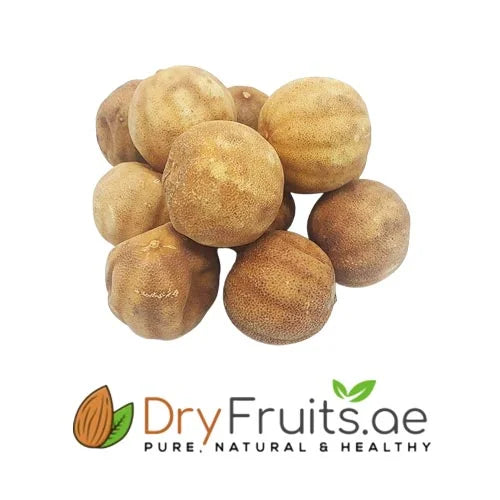
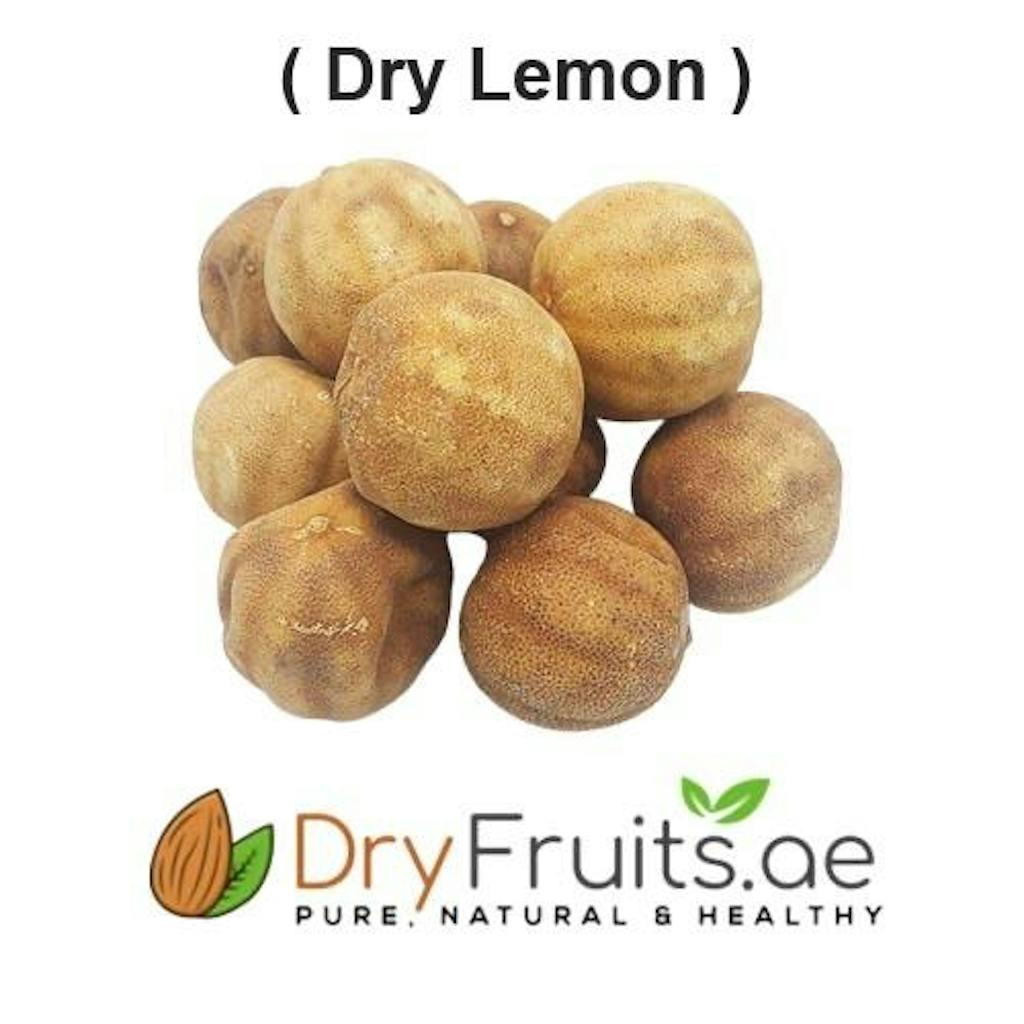
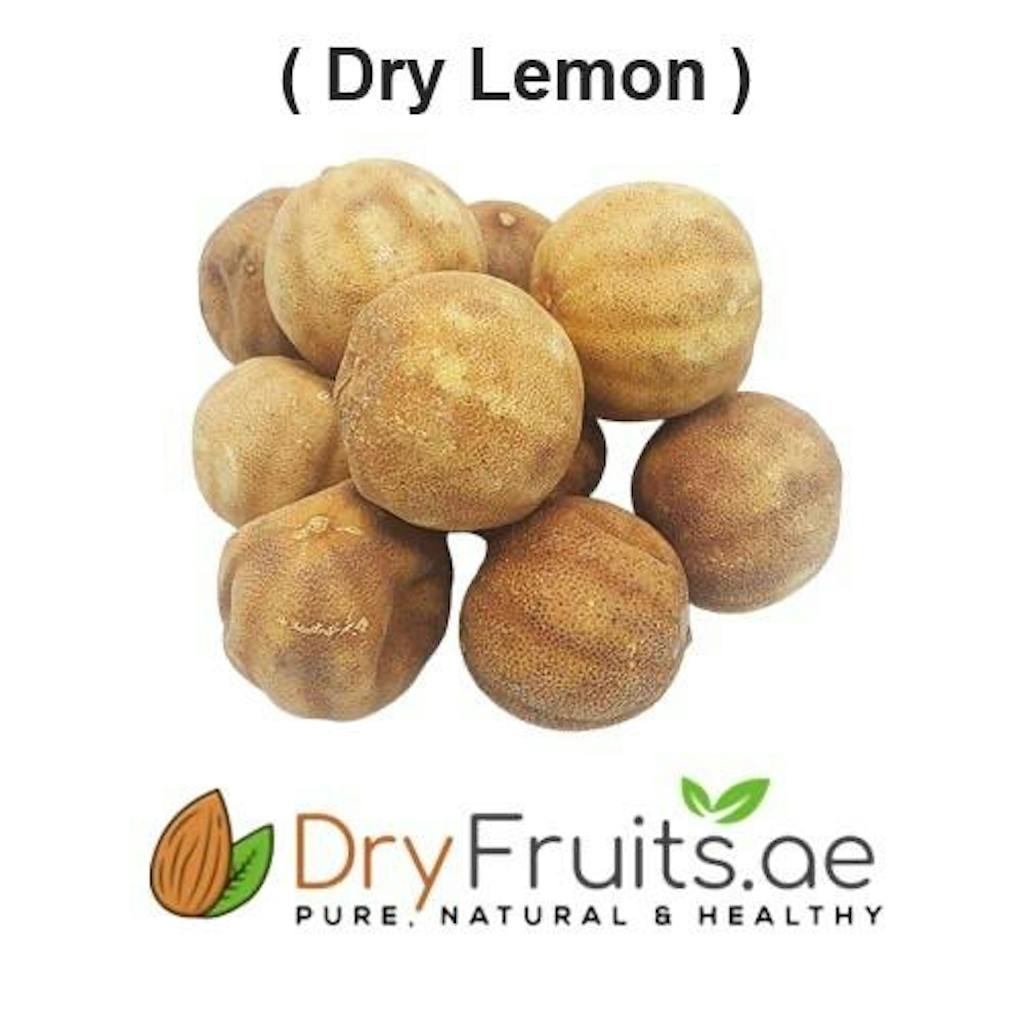
Dry lemon - those dark, hollowed-out limes that look like they've seen better days but are actually flavor bombs in Middle Eastern cuisine. They're called loomi, black lime, or dried lime - whole limes that have been boiled in salt water and sun-dried until they turn dark brown or black. Most people buy them for authentic Persian, Iraqi, and Emirati cooking - machboos, stews, soups. The flavor is intense - sour, slightly smoky, earthy, and completely unique. Can't be replicated with fresh lemon juice. Pierce or crush them, throw into slow-cooked dishes, and they transform ordinary rice or stew into something restaurant-quality. One or two pieces flavor an entire pot. Not pretty, but absolutely essential for authentic Gulf cuisine.
These preserved limes have been used in Persian and Gulf cooking for centuries. The drying process concentrates the citrus oils and creates complex fermented notes you can't get from fresh citrus. Popular in Iraqi, Iranian, Emirati, Saudi, and Kuwaiti cuisines. The dark color comes from oxidation during drying - doesn't mean they're burnt. Contains concentrated vitamin C and adds both sourness and depth to dishes. Used whole, crushed, or ground into powder. The smoky-tart flavor cuts through rich, fatty meats and adds brightness to rice dishes. Completely different from fresh lime - this is preserved, fermented citrus with its own unique taste profile.
Quality dry lemon should be dark brown to black color - natural from oxidation. Should be light and hollow when you shake it - you can hear the dried seeds rattling inside. Surface should be hard and brittle, completely dried. Should smell intensely citrusy with smoky, earthy undertones. Avoid ones with mold, excessive cracking, or soft spots. Some lighter tan ones exist (less fermented) - both types are good, just different intensity. Should be whole and intact, though some cracking is normal. No chemical smell or artificial appearance. Organic versions have no preservatives beyond salt.
Let's talk about what they offer:
| Nutritions | How Much |
|---|---|
| Calories | 22 kcal |
| Protein | 1.5 g |
| Fat | 0.3 g |
| Carbs | 4.7 g |
| Fiber | 10.5 g |
| Vitamin C | 35 mg |
| Calcium | 104 mg |
| Iron | 0.9 mg |
| Potassium | 145 mg |
(Used in very small amounts - typically 1-2 whole pieces per dish)
Tangy, smoky, authentic. Dry Lemon in Dubai - the flavor Middle East knows.
1-2 whole pieces for a pot serving 4-6 people. They're very intense - more isn't better. Pierce them 2-3 times with knife or skewer before adding so flavor releases. For rice dishes, 1-2 pieces. For stews, 2-3 depending on pot size. Start with one, taste, then add more if needed. Remove before serving or warn guests not to eat them whole.
Piercing releases flavor gradually - good for rice and delicate dishes. Crushing releases intense flavor quickly - better for stews and soups. Ground powder gives maximum flavor but can be overwhelming. Most recipes call for piercing. Break them open only if you want very strong citrus flavor. Whole without piercing won't release much flavor.
No, the flavor is completely different. Fresh lemon is bright and acidic. Dry lemon is smoky, earthy, and fermented with complex depth. Fresh won't give you authentic Gulf or Persian taste. Like trying to replace tamarind with vinegar - both sour but totally different. For authentic recipes, dry lemon is essential. No real substitute exists.
Crack open 1 dry lemon, pour boiling water over it, steep 5-10 minutes. Add honey if desired. Traditional remedy for digestion and colds. The flavor is intense and acquired taste - very sour and smoky. Some people love it, others find it too strong. Start with half a lemon for first time. Don't drink the seeds.
Yes, break them open, remove seeds, grind the shell in spice grinder. Makes potent citrus powder for spice blends. Use sparingly - very concentrated. Store in airtight container. Much stronger than commercial lemon powder. Add to baharat, dukkah, or custom spice mixes. Small pinch goes long way in seasoning.
Indefinitely if stored properly. They're preserved - won't go bad. Airtight container in cool, dry place. They might lose some potency after 2-3 years but still usable. If they develop mold or smell off (not their natural smoky smell), discard. Properly dried ones last for years. Ancient preservation method means extreme shelf stability.
Color indicates fermentation level. Black ones are more fermented - stronger, smokier flavor. Tan/light ones are less fermented - milder citrus taste. Both are authentic, used in different regional cuisines. Iraqi cooking often uses black. Some Persian dishes use lighter ones. Personal preference and recipe requirements. Black is more common in Gulf states.
Absolutely. Add to Italian risotto for unique twist. Use in North African tagines. Grind into rubs for grilled meat. Add to vegetable soups for depth. Creative chefs use it in fusion cuisine. Works anywhere you want smoky citrus flavor. Don't limit yourself to traditional recipes. Experiment with stews, marinades, and rice dishes.
In normal cooking amounts, yes - it's just preserved citrus. The sourness might actually help with nausea. But don't drink concentrated dry lemon tea medicinally without consulting doctor. Culinary use in rice and stews is safe. Traditional food in Gulf region where pregnant women eat it regularly. As always with pregnancy, moderation and doctor consultation for anything beyond normal food use.
Yes, perfectly safe. The sourness might be strong for young palates - some kids love it, others don't. Start with small amount in familiar dishes. Traditional food in many cultures where children eat it from young age. Make sure they don't bite into whole dry lemon - it's very sour and hard. Just flavor the dish, remove the pieces before serving to small children.
That's dried lime pulp and salt residue - completely normal. The white stuff is natural citrus oils and salt from the preservation process. Not mold unless it's fuzzy and smells bad. Shake it out or use it - won't hurt anything. Sign of authentic traditional drying method. Quality dry lemons often have this.
Every Middle Eastern grocery store carries them - they're staple here. Iranian, Iraqi, and Emirati shops have best selection. Large supermarkets in international section. Spice souks in Deira. Look for dark, hollow ones that rattle. Avoid soft, moldy, or artificially processed looking ones. Very common in UAE - easy to find. We deliver premium dry lemon across Dubai, Abu Dhabi, and Sharjah.
Free Delivery All over UAE *
We Provide delivery in 24 - 48 Hours in Dubai, Sharjah, Ajman.
Abu Dhabi, Alain, Fujairah, Ras Al-Khaimah, Um-Al-Quwain are covered in 48 - 72 Hours.
* Your Delivery becomes free once you reach the minimum amount of the order.
100% Return & Exchange
Thanks for subscribing!
This email has been registered!
| Product | SKU | Description | Collection | Availability | Product Type | Other Details |
|---|