





- Choosing a selection results in a full page refresh.
Free standard shipping on orders over 150 AED
Estimated to be delivered on Same Day or Next Day.
100% Return & Exchange
Lorem ipsum dolor sit amet, consectetur adipiscing elit, sed do eiusmod tempor incididunt ut labore et dolore magna aliqua. Ut enim ad minim veniam, quis nostrud exercitation ullamco laboris nisi ut aliquip ex ea commodo consequat. Duis aute irure dolor in reprehenderit in voluptate velit esse cillum dolore eu fugiat nulla pariatur. Excepteur sint occaecat cupidatat non proident, sunt in culpa qui officia deserunt mollit anim id est laborum.
Absolutely love hibiscus! The vibrant color and tangy flavor make it perfect for tea. Super refreshing and feels really healthy too.
Cash on Delivery available for Dubai and Sharjah.
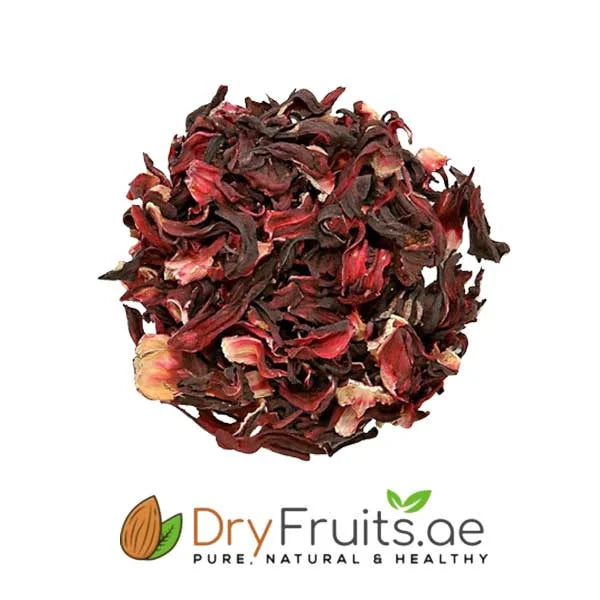
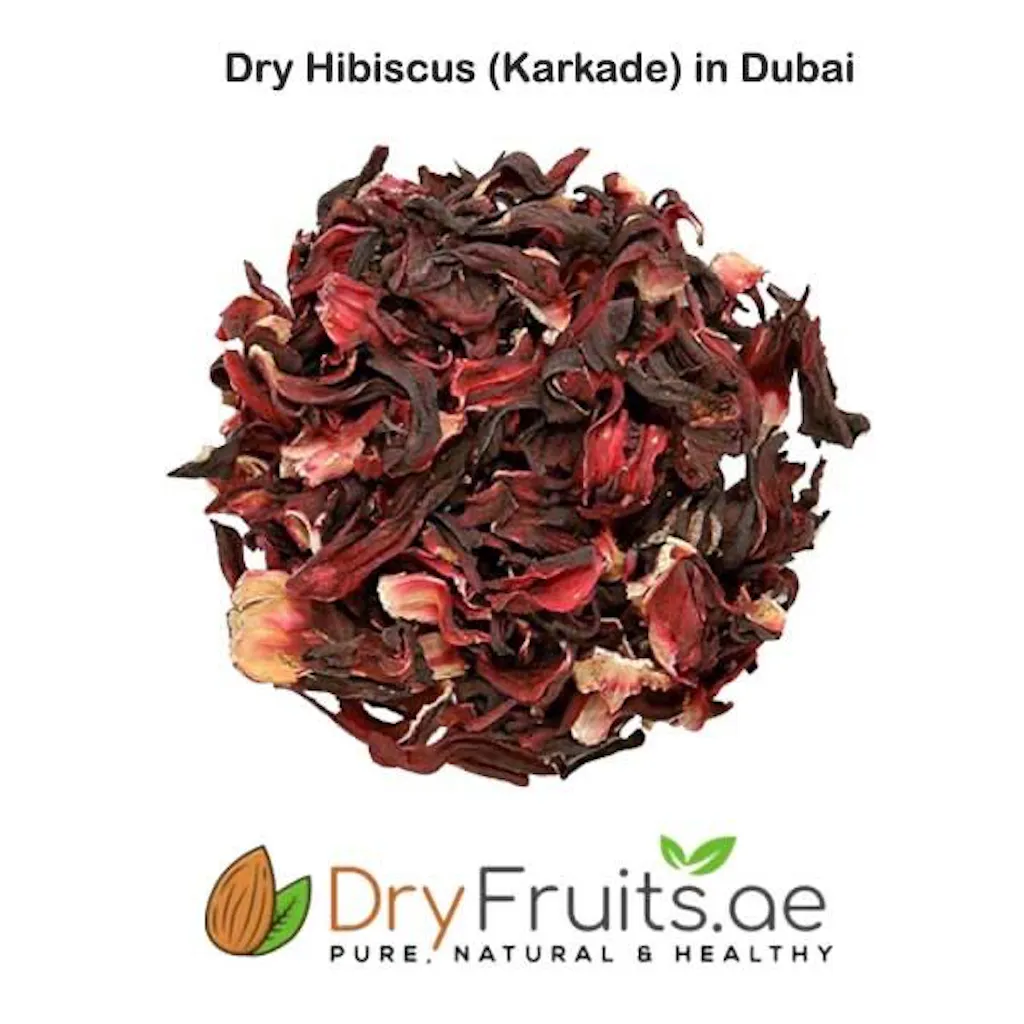
Dry hibiscus — those deep crimson, paper-thin flower calyces that smell tart and floral but carry serious wellness value across multiple healing traditions. Also called karkade (Arabic), roselle, or Hibiscus sabdariffa. Most people buy it for its bold ruby-red tea, but it goes far beyond a drink — used in traditional remedies for blood pressure support, digestive comfort, liver health, and cooling the body in hot climates. The taste is sharp and tangy, naturally sour, with a clean floral finish. Usually steeped in hot or cold water, sweetened with honey or sugar. Common in Egyptian, Sudanese, and West African households as both a daily drink and a medicinal herb. Widely used in Unani and folk medicine across the Arab world and beyond.
Hibiscus sabdariffa originates from West Africa and tropical Asia but spread across the Arab world, East Africa, and South Asia centuries ago. Used for over 1,000 years in folk medicine, Unani practice, and traditional African healing systems. Known in Egypt and Sudan as the national drink of hospitality — served hot in winter, iced in summer. Contains naturally occurring plant acids, antioxidants, and polyphenols that give it both its intense colour and its therapeutic reputation. Traditionally used for supporting healthy blood pressure, cooling excess body heat, soothing the digestive tract, and promoting kidney and liver function. The deep red colour comes from anthocyanins — the same compounds studied in modern research for their antioxidant activity. Widely available but quality varies significantly — dried calyces should be whole, deep red, and intensely aromatic, not pale, crushed, or dusty.
Quality hibiscus should be deep burgundy to crimson red — not pale pink or brownish. Should be whole or large calyces — not fine powder or excessive broken pieces. Should smell sharply tart and floral — like concentrated sour berry with a clean, natural finish. Fresh hibiscus releases colour immediately in water — weak colour means old or low-quality stock. Pieces should be dry and crisp — not damp, sticky, or clumped together. No dusty residue, insect damage, or musty smell. The more intense the red and the sharper the sour aroma, the better the quality. Pre-ground hibiscus powder loses potency and colour faster — whole dried calyces preferred.
Traditional and some research-backed uses:
| Nutrition | How Much |
|---|---|
| Calories | ~44 kcal |
| Protein | 1.6 g |
| Fat | 0.6 g |
| Carbohydrates | 11.3 g |
| Fiber | 12.0 g |
| Vitamin C | ~18 mg |
| Iron | 1.5 mg |
| Calcium | 215 mg |
(Used primarily as a steeped tea or infusion — nutritional values are estimates based on whole dried calyces)
Tangy, floral, deeply traditional. Dry Hibiscus in Dubai — wellness in petal form.
Bring water to just below boiling. Add 5–8 whole dried calyces per cup. Steep for 8–10 minutes — longer for stronger flavour and colour. Strain well and sweeten with honey or sugar to balance the tartness. For cold hibiscus, add calyces to room-temperature water and refrigerate overnight. Do not boil the calyces directly for too long — it can make the tea overly bitter. Fresh lemon slice enhances the flavour naturally.
Traditional medicine has used it for this purpose for centuries. Multiple herbal medicine systems — Unani, African folk medicine, and Egyptian traditional practice — recommend it for cardiovascular support. Some modern research has explored this area as well. However, it is not a replacement for medical treatment. If you are on blood pressure medication, consult your doctor before using hibiscus regularly, as effects may be additive.
They are the same thing. Karkade is the Arabic name — widely used in Egypt, Sudan, and across the Gulf. In West Africa it is called zobo or bissap. In the West it is sold as hibiscus tea or roselle tea. All refer to dried calyces of Hibiscus sabdariffa steeped in water. The preparation and sweetening style may vary by culture, but the base ingredient is identical.
In moderate amounts — 1 to 2 cups of hibiscus tea daily — it is generally considered safe for healthy adults. It is not a potent medicinal herb in the way costus or black seed is, so regular consumption as a beverage is common and traditional. Avoid excessive amounts during pregnancy. Those on diuretic medication or with low blood pressure should be cautious and consult a healthcare provider.
Caution is advised during pregnancy. Hibiscus is traditionally known to have mild uterine-stimulating properties in large amounts. As a casual cup once in a while may be fine for many, regular or medicinal use during pregnancy is best avoided or done only under medical supervision. After delivery it is generally considered safe and commonly consumed by nursing mothers across the Arab world.
Weak colour usually means old stock, poor quality, or under-steeping. Fresh, premium hibiscus releases a deep ruby-red colour within minutes. If your tea looks pale pink after 10 minutes, the calyces are likely old or have been stored in light or humidity. Always buy from a quality source and store properly. More calyces per cup will also intensify both colour and flavour.
Yes, traditionally used externally. Cooled hibiscus tea used as a facial rinse is a well-known traditional beauty practice across North Africa and the Middle East. The natural acids and antioxidants are believed to support skin brightness and tone. Some mix hibiscus powder with honey as a face mask. Always patch test first. Internal consumption for skin health is also a common traditional practice.
Airtight container in a cool, dry place away from direct light. Properly stored whole calyces last 12–18 months without significant loss of colour or flavour. Avoid plastic bags left open — moisture causes clumping and mold. Do not store near heat sources or strong-smelling spices. The tartness of the aroma and vibrancy of the red colour are your best indicators of freshness — fading in either means it is past its best.
Yes, in moderate amounts it is generally suitable for children. Dilute it more than an adult serving and sweeten well with honey — the tartness can be strong for young palates. It is a popular children's drink across Egypt and Sudan, often served cold and well-sweetened. Very young children under 2 years — consult a paediatrician first. No known concerns for older children in regular beverage amounts.
Absolutely — it blends well with many traditional herbs. Common combinations include hibiscus with ginger and honey for immunity, hibiscus with cinnamon and cardamom for a warming winter drink, hibiscus with rose petals for a floral herbal blend, and hibiscus with mint for a refreshing summer cooler. It also pairs well with black seed honey as a general wellness tonic. The tartness of hibiscus balances naturally with sweeter or spicier herbs.
No — three entirely different plants. Hibiscus is from Hibiscus sabdariffa, a roselle plant. Rose water is distilled from Rosa damascena petals. Rose hips are the fruit of the wild rose bush. All three are red or pink and used in traditional wellness, but they are botanically different with different flavour profiles and uses. Hibiscus is the most tart of the three and the most commonly consumed as a tea across the Arab world.
Herbal remedy shops, Egyptian and Sudanese grocery stores, natural food stores, and traditional spice markets (souks) across Dubai and Sharjah. Quality varies — look for whole, deep-red calyces with a sharp, tart aroma. Avoid pale, crushed, or odourless stock. We deliver premium dry hibiscus (karkade) across Dubai, Abu Dhabi, Sharjah, and Ajman with Cash on Delivery available.
Free Delivery All over UAE *
We Provide delivery in 24 - 48 Hours in Dubai, Sharjah, Ajman.
Abu Dhabi, Alain, Fujairah, Ras Al-Khaimah, Um-Al-Quwain are covered in 48 - 72 Hours.
* Your Delivery becomes free once you reach the minimum amount of the order.
100% Return & Exchange
Thanks for subscribing!
This email has been registered!
| Product | SKU | Description | Collection | Availability | Product Type | Other Details |
|---|