





- Choosing a selection results in a full page refresh.
Free standard shipping on orders over 150 AED
Estimated to be delivered on Same Day or Next Day.
100% Return & Exchange
Lorem ipsum dolor sit amet, consectetur adipiscing elit, sed do eiusmod tempor incididunt ut labore et dolore magna aliqua. Ut enim ad minim veniam, quis nostrud exercitation ullamco laboris nisi ut aliquip ex ea commodo consequat. Duis aute irure dolor in reprehenderit in voluptate velit esse cillum dolore eu fugiat nulla pariatur. Excepteur sint occaecat cupidatat non proident, sunt in culpa qui officia deserunt mollit anim id est laborum.
Kurtis Hindi is good for health . I purchased . I am setesfied
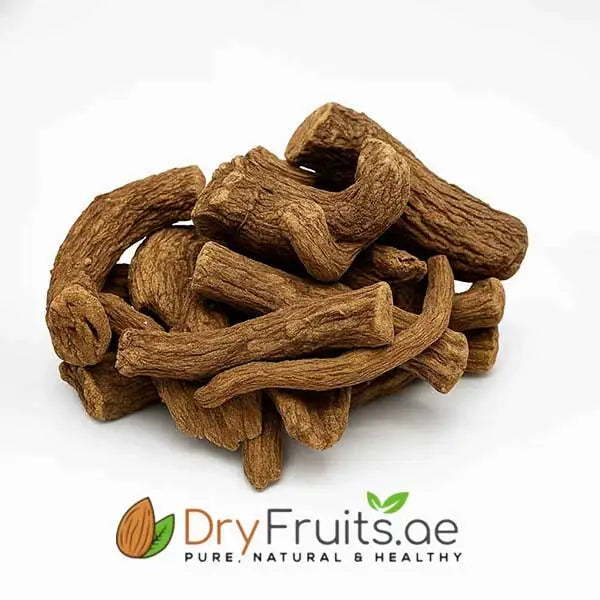
Dry costus - those woody, aromatic root pieces that smell like a mix of ginger and antiseptic but are prized in Islamic traditional medicine. Also called qust al hindi (Indian costus) or qust al bahri (sea costus, lighter variety). Most people buy it for Islamic prophetic medicine remedies - used in treatments for respiratory issues, throat infections, and immune support. The taste is bitter and woody, smell is strong and medicinal. Usually ground into powder and mixed with honey, olive oil, or water. Not common in regular cooking - this is specifically for medicinal and wellness purposes. Mentioned in authentic Islamic texts as healing remedy. The darker Indian variety (qust al hindi) is considered more potent than the lighter sea variety.
Costus root comes from Saussurea costus plant native to Kashmir and Himalayan regions. Used for over 2,000 years in Ayurvedic, Unani, and Islamic medicine. The Prophet Muhammad (peace be upon him) mentioned it in hadith for treating various ailments - that's why it's popular in Muslim communities. Contains natural compounds with antibacterial, antiviral, and anti-inflammatory properties. Traditionally used for respiratory infections, pleurisy, throat issues, and immune boosting. The root bark and inner wood both used - darker pieces often considered superior. Nearly extinct in wild due to overharvesting - now mostly cultivated. Modern research confirms some traditional uses - shows antimicrobial activity. Strong medicinal smell indicates presence of active volatile oils.
What Good Dry Costus Looks Like
Quality costus should be dark brown to reddish-brown chunks of root/bark. Should be woody, hard, and fibrous - not soft or moldy. Should smell strongly aromatic - medicinal, woody, slightly spicy scent. Fresh costus has potent smell - if barely fragrant, it's old. Pieces should be relatively clean, free from excessive dirt or debris. Look for darker pieces (qust al hindi) for more potency - lighter tan pieces (qust al bahri) are milder. Should snap cleanly when broken - if it bends, too much moisture. No mold, insect damage, or rancid smell. Smaller chips and powder are fine but whole pieces preferred for freshness.
Traditional and some research-backed uses:
| Nutritions | How Much |
|---|---|
| Calories | ~50 kcal |
| Protein | 2.1 g |
| Fat | 0.8 g |
| Carbs | 10.5 g |
| Fiber | 38.0 g |
| Iron | 3.2 mg |
| Calcium | 45 mg |
(Used in very small amounts - typically 1-2g per remedy dose. Nutritional values are estimates as it's used medicinally, not as food)
Medicinal, aromatic, traditional. Dry Costus in Dubai - prophetic medicine in root form.
Traditional Islamic method: Grind into powder. Mix 1/4 to 1/2 teaspoon with honey, take orally once or twice daily. Or inhale vapors from burning small piece (fumigation). For children, reduce dose by half. For throat issues, mix powder with olive oil and apply externally to throat/chest. Always start with small amounts. Not instant cure - use for several days. Consult healthcare provider for serious illness.
Yes, mentioned in authentic hadith. The Prophet Muhammad (peace be upon him) said: "Use this Indian costus, for it has seven types of cures, among them is pleurisy" (Sahih Bukhari). That's why it's popular in Muslim communities for prophetic medicine (tibb nabawi). Many Muslims use it specifically for this religious and medicinal significance.
Indian costus (qust al hindi) is dark brown/reddish, stronger, more bitter - considered more potent. Sea costus (qust al bahri) is lighter tan/white, milder taste and smell - gentler for sensitive people. Both used medicinally but Indian variety preferred for serious conditions. Sea costus better for children or those who can't tolerate bitter taste. Same plant species, different processing or possibly different parts.
Break into small pieces first - it's very hard and woody. Use powerful spice grinder or coffee grinder dedicated to spices. Grind in small batches - takes time due to fibrous nature. Might need to grind twice for fine powder. If too hard for home grinder, some herb shops will grind it for you. Or buy it pre-ground, though whole pieces are fresher.
Not recommended long-term without guidance. It's medicinal herb, not daily supplement. Use for specific conditions, then stop. Traditional use is short-term (1-2 weeks) for acute issues. Excessive use might cause side effects. Follow traditional dosing - small amounts, specific purposes. Consult herbalist or healthcare provider for appropriate duration and dosage.
In very small amounts and under supervision, yes. Islamic tradition includes use for children but in reduced doses. Half the adult dose for children over 5 years. For younger children, consult healthcare provider. The bitter taste makes it challenging for kids - mixing with honey helps. Never use fumigation (smoke inhalation) unsupervised with young children.
Caution advised. While used traditionally, safety during pregnancy isn't well-established. Some herbs can stimulate uterus or affect pregnancy. In small amounts mixed with honey might be okay, but consult doctor first. Better to avoid or use only under medical supervision during pregnancy. After delivery, it's considered safe and used traditionally by nursing mothers.
Airtight container in cool, dry place away from light. Properly stored, lasts 1-2 years. The aromatic oils are preserved when kept dry and sealed. Whole pieces stay fresher longer than powder. If grinding, grind only what you need - powder loses potency faster. Check for moisture or mold periodically. Strong smell indicates freshness - if aroma fades significantly, potency is reduced.
The natural compounds responsible for medicinal properties are bitter. Sesquiterpene lactones and other active ingredients have strong, bitter taste. This bitterness is sign of authenticity and potency. If it doesn't taste bitter and medicinal, it might be old or low quality. Mix with honey to make it palatable - traditional way to take bitter medicines.
Yes, traditionally applied externally. Mix powder with olive oil or water to make paste. Apply to minor skin infections, wounds, or inflammation. Has antimicrobial properties that may help. Don't apply to open wounds without medical advice. Patch test first - some people may react. Internal use is more common, but external applications are traditional practice too.
No, different forms. Dry costus is the whole root pieces - what's traditionally used in Islamic medicine. Costus oil is steam-distilled essential oil from the root - more concentrated, used in aromatherapy and perfumery. The essential oil is much stronger - few drops equal large amount of dried root. Both from same plant but different uses and dosing. Dried root is preferred for prophetic medicine applications.
Islamic medicine shops (tibb nabawi stores), herbal remedy shops, and some Arabic perfume/oud stores. Indian and Pakistani herb shops carry it. Some pharmacies specializing in natural remedies. Look for dark brown pieces with strong medicinal smell. Avoid very cheap sources - quality varies significantly. Check online Islamic medicine suppliers. We deliver premium dry costus (qust al hindi) across Dubai, Abu Dhabi, and Sharjah.
Free Delivery All over UAE *
We Provide delivery in 24 - 48 Hours in Dubai, Sharjah, Ajman.
Abu Dhabi, Alain, Fujairah, Ras Al-Khaimah, Um-Al-Quwain are covered in 48 - 72 Hours.
* Your Delivery becomes free once you reach the minimum amount of the order.
100% Return & Exchange
Thanks for subscribing!
This email has been registered!
| Product | SKU | Description | Collection | Availability | Product Type | Other Details |
|---|