





- Choosing a selection results in a full page refresh.
Free standard shipping on orders over 150 AED
Estimated to be delivered on Same Day or Next Day.
100% Return & Exchange
Lorem ipsum dolor sit amet, consectetur adipiscing elit, sed do eiusmod tempor incididunt ut labore et dolore magna aliqua. Ut enim ad minim veniam, quis nostrud exercitation ullamco laboris nisi ut aliquip ex ea commodo consequat. Duis aute irure dolor in reprehenderit in voluptate velit esse cillum dolore eu fugiat nulla pariatur. Excepteur sint occaecat cupidatat non proident, sunt in culpa qui officia deserunt mollit anim id est laborum.
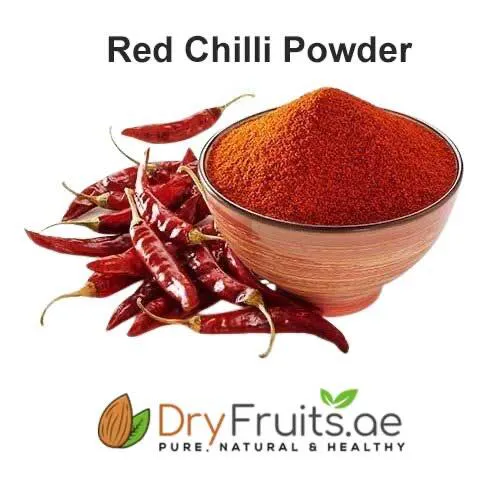
I satisfied thus chilli red powder . Very fresh and pure . I like . I orders again this website. Very suitable price . And very fast delivery
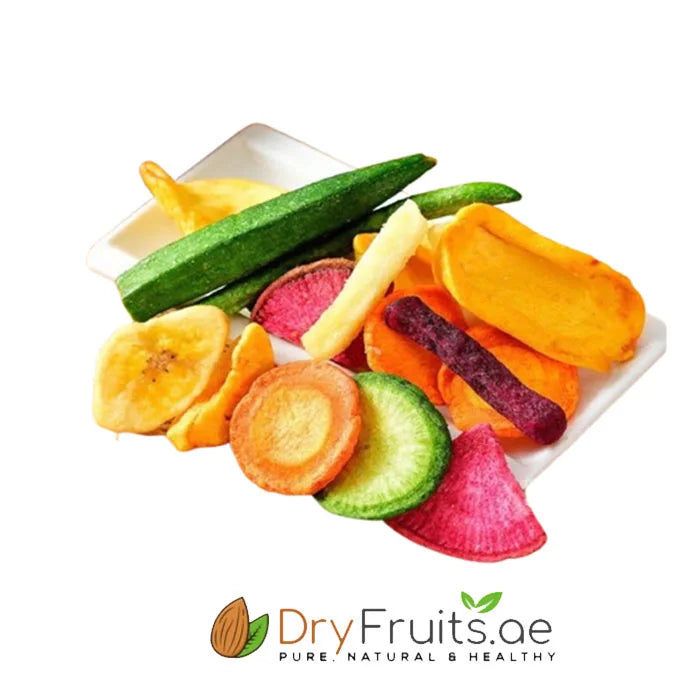
Dried mixed vegetables - the emergency backup that saves dinner when you forgot to buy fresh veggies. They're dehydrated, lightweight, and rehydrate surprisingly well in soups and stews. Most people keep them for camping, quick meals, or when fresh vegetables go bad too fast. Not as crisp as fresh, but they retain most nutrients and flavor. Perfect for adding vegetables to instant noodles, rice dishes, or emergency meals. One bag lasts months in the pantry. No chopping, no waste, no rotting - just convenience. They won't replace fresh vegetables completely, but for busy days and backup meals, they're genuinely useful.
Made by dehydrating fresh vegetables at low temperatures to preserve nutrients. Ancient preservation method used worldwide. The mix usually includes carrots, peas, corn, beans, bell peppers, and sometimes tomatoes or onions. Water removal concentrates flavors and extends shelf life to months or years. Popular in camping, emergency food storage, and quick cooking. Most nutrients survive the drying process - some vitamin C is lost, but minerals and fiber remain. Rehydrates in 10-20 minutes depending on the vegetable type.
Quality dried vegetables should have natural colors - vibrant but not artificial looking. Should be completely dry, brittle or leathery, not soft or sticky. Should smell like vegetables - fresh and slightly sweet, not musty or sour. Mix should contain variety of vegetables, not mostly cheap fillers. Avoid packages with too much powder at the bottom (sign of old or low quality). No signs of moisture, mold, or insect damage. Vegetables should be uniform size for even rehydration.
Here's what they actually provide:
| Nutritions | How Much |
|---|---|
| Calories | 320 kcal |
| Protein | 12.0 g |
| Fat | 1.5 g |
| Carbs | 68.0 g |
| Fiber | 18.0 g |
| Calcium | 120 mg |
| Iron | 4.5 mg |
| Potassium | 1,200 mg |
| Vitamin A | 850 mcg |
(Values vary by vegetable mix - these are approximate averages)
Convenient, practical, nutritious. Dried Mixed Vegetables in Dubai - the backup that saves meals.
Soak in warm or hot water for 15-20 minutes until soft. Or add directly to soups and stews - they'll absorb liquid while cooking. Use about 2-3 times the amount of water to vegetables. Don't over-soak or they get mushy. Drain excess water before using in stir-fries.
Not exactly. Texture is softer, less crisp. Flavor is concentrated - sometimes more intense than fresh. They work best in cooked dishes where texture matters less. Don't expect salad-quality crunch. For soups, stews, and mixed dishes, they're perfectly acceptable.
Roughly 1 part dried equals 4-5 parts fresh after rehydration. So 100g dried vegetables = about 400-500g fresh vegetables. Check package instructions as ratios vary by vegetable type. Dried vegetables are concentrated, so you need less.
Most nutrients survive drying - fiber, minerals, and many vitamins remain. Some vitamin C is lost in the process. Overall, still nutritious and better than no vegetables. Fresh is ideal, but dried is good backup option. Beats eating processed food with no vegetables.
In sealed package, 1-2 years easily. After opening, store in airtight container in cool, dry place - lasts 6-12 months. They don't spoil like fresh vegetables. If they develop off smell, moisture, or mold, discard them. Properly stored, they're very stable.
Technically yes, but not recommended. They're very hard and difficult to chew. Your stomach needs to work harder to digest them. Better to rehydrate first or add to dishes with liquid. Exception: some people snack on dried vegetable chips (different preparation).
7. Are there any additives in dried vegetables?
Quality dried vegetables should have no additives - just dehydrated vegetables. Some brands add salt or preservatives like sulfites (especially to maintain color). Check ingredient list - should say only vegetables. Avoid products with long chemical names or added sugars.
After rehydrating, yes, but they won't have fresh vegetable crunch. Better for cooked dishes. If using in salads, rehydrate thoroughly, drain well, and mix with dressing to improve texture. Fresh is definitely better for salads.
Yes, perfect for pressure cooking. Add them directly - no need to pre-soak. The pressure and liquid will rehydrate them during cooking. Great for quick vegetable pulao, soups, or stews. They save prep time.
Yes, as long as they're properly rehydrated and cooked. Hard dried vegetables can be choking hazard. Use them in soups, rice dishes, or curries where they're soft. Good way to add vegetables to kids' meals without fuss.
Don't over-soak. Use just enough water and time to rehydrate. If adding to soups, add them toward the end of cooking, not at the beginning. For stir-fries, drain well after rehydrating and pat dry before cooking.
Large supermarkets in the dried foods or international section. Health food stores and organic shops. Online grocery platforms. Look for packages with visible variety of vegetables and natural colors. We deliver premium dried mixed vegetables across Dubai, Abu Dhabi, and Sharjah.
Free Delivery All over UAE *
We Provide delivery in 24 - 48 Hours in Dubai, Sharjah, Ajman.
Abu Dhabi, Alain, Fujairah, Ras Al-Khaimah, Um-Al-Quwain are covered in 48 - 72 Hours.
* Your Delivery becomes free once you reach the minimum amount of the order.
100% Return & Exchange
Thanks for subscribing!
This email has been registered!
| Product | SKU | Description | Collection | Availability | Product Type | Other Details |
|---|