





- Choosing a selection results in a full page refresh.
Free standard shipping on orders over 150 AED
Estimated to be delivered on Same Day or Next Day.
100% Return & Exchange
Lorem ipsum dolor sit amet, consectetur adipiscing elit, sed do eiusmod tempor incididunt ut labore et dolore magna aliqua. Ut enim ad minim veniam, quis nostrud exercitation ullamco laboris nisi ut aliquip ex ea commodo consequat. Duis aute irure dolor in reprehenderit in voluptate velit esse cillum dolore eu fugiat nulla pariatur. Excepteur sint occaecat cupidatat non proident, sunt in culpa qui officia deserunt mollit anim id est laborum.
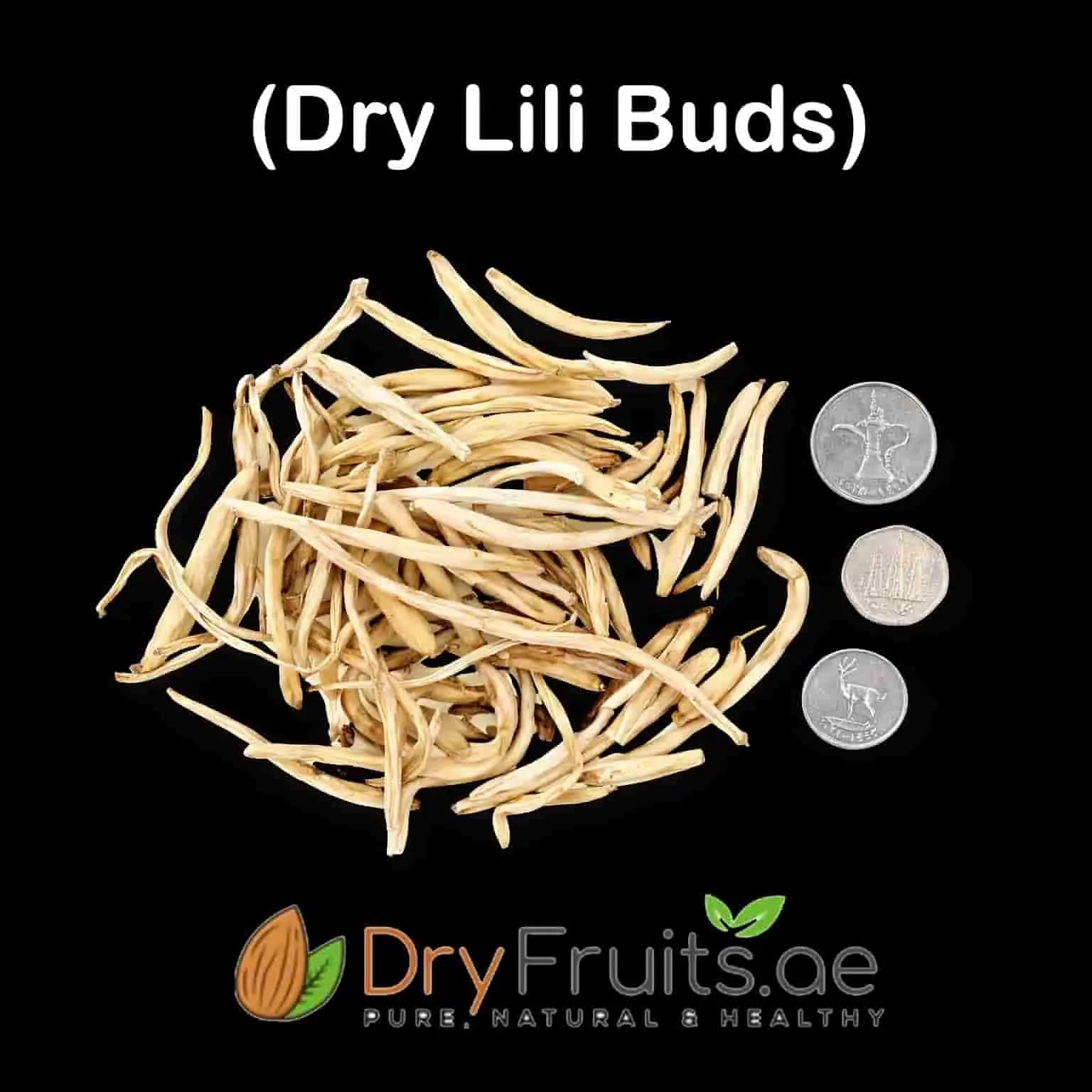
Dried lily buds - those long, golden-brown dried flower buds that look like woody twigs but add incredible earthy, slightly sweet flavor to Chinese cooking. Also called golden needles, tiger lily buds, or huang hua cai. Most people buy them for authentic hot pot, Buddha's delight (vegetarian dish), moo shu pork, or Chinese soups. The texture is tender-chewy when rehydrated, flavor is subtle and unique - earthy with floral notes. Soak in warm water for 20-30 minutes, tie in knots for presentation, and add to dishes. Essential ingredient in traditional Chinese cuisine that you can't really substitute. Not common in Western cooking, but if you're serious about authentic Asian food, you need these. Ancient ingredient used in Chinese medicine for centuries.
These are unopened flower buds from day lily plant (Hemerocallis species), harvested before blooming and sun-dried. Used in Chinese cooking for over 2,000 years. The drying process concentrates the flavor and extends shelf life indefinitely. Popular in Buddhist vegetarian cuisine - prized for umami flavor without meat. Contains beneficial compounds - traditionally used for calming properties and sleep support. The golden color and elegant shape make dishes visually appealing. Can't grow in all climates - imported from China where they're cultivated specifically for culinary use. Rehydrating brings them back to almost fresh texture. The earthy, slightly sweet taste is distinctive - nothing else tastes quite like it.
Quality lily buds should be golden-brown to amber color, not dark brown or black. Should be long (2-3 inches), slender, and relatively whole - not broken into pieces. Should feel dry and slightly brittle but not crumbly. Should smell earthy, slightly floral, and pleasant - not musty or moldy. Avoid packages with lots of short, broken pieces or dusty residue. Should be clean with no visible mold or discoloration. Slightly curved shape is natural. Thicker buds are generally better quality than very thin ones. No chemical or off smell.
Traditional Chinese medicine attributes many benefits:
| Nutritions | How Much |
|---|---|
| Calories | 313 kcal |
| Protein | 10.9 g |
| Fat | 0.8 g |
| Carbs | 65.6 g |
| Fiber | 7.5 g |
| Iron | 8.8 mg |
| Calcium | 301 mg |
| Phosphorus | 298 mg |
| Potassium | 610 mg |
(Used in moderate amounts - typically 10-20g per dish serving 4-6)
Earthy, elegant, authentic. Dried Lily Buds in Dubai - the golden needles Chinese cuisine treasures.
Soak in warm water for 20-30 minutes until soft and pliable. Drain well. Trim off hard stem ends if present. Traditionally, tie each bud in a simple knot for presentation and to prevent them from falling apart during cooking. Rinse if there's any dust. Now they're ready to add to stir-fries, soups, or hot pot. Don't over-soak or they become mushy.
Earthy, slightly sweet, with delicate floral notes. The flavor is subtle and unique - hard to describe if you haven't tried them. Not overpowering but adds depth to dishes. Texture is tender-chewy, almost mushroom-like when cooked. They absorb flavors from the dish while contributing their own gentle earthiness. Not bitter or strong - very pleasant if you enjoy Chinese flavors.
No, they're too tough and woody when dry. Must be rehydrated before cooking. Soaking restores moisture and makes them tender. Eating them dry would be unpleasant and hard to digest. Always soak first - non-negotiable step. The soaking water can be discarded or used in soup for extra flavor if it's clean.
Specifically the unopened flower buds, dried for preservation. Fresh day lily buds exist but are hard to find outside Asia. Dried is standard form used in cooking. Different from the day lily flowers you see in gardens - those are usually ornamental varieties, not culinary. The drying changes texture and concentrates flavor. Dried is what recipes call for - fresh wouldn't work the same way.
For dish serving 4-6 people, about 15-20 pieces (roughly 10-15g dry weight). They expand when soaked. For hot pot, handful per person. They're not the main ingredient - supporting player that adds flavor and texture. Too many overwhelms the dish. Start with less, you can always add more next time. One 200gm pack makes many meals.
6. Can I substitute anything for dried lily buds?
Not really - the flavor is unique. Some recipes suggest straw mushrooms or wood ear fungus for texture, but flavor won't be the same. If recipe specifically calls for lily buds (like authentic Buddha's delight), substitution changes the dish. For casual cooking, you could omit them, but you'll miss that distinctive taste. Worth getting the real thing for authentic Chinese cooking.
Airtight container or sealed bag in cool, dry place. Away from moisture and light. Properly stored, last 1-2 years easily. They're dried so very stable. Check occasionally for moisture or mold. If they smell off or show mold, discard. No refrigeration needed but won't hurt. Keep away from strong-smelling items - they can absorb odors.
Generally safe for most people in food amounts. However, some individuals may be allergic to lily family plants. If you've never eaten them, start with small amount. In rare cases, can cause mild digestive upset. Pregnant women should use moderately as with any new food. Traditional medicine suggests avoiding large amounts during pregnancy. Normal culinary use is considered safe.
That's the stem attachment point where bud connected to plant. Perfectly normal. Some people trim these hard ends off before cooking, others leave them - personal preference. They're edible but slightly tougher. If the entire bud is hard even after soaking, it's old or poor quality. Fresh, quality buds soften nicely throughout when properly soaked.
If the water is relatively clean (just slightly yellow), you can add it to soup for extra flavor. If it's very dirty or has lots of sediment, discard and use fresh liquid for cooking. Traditional recipes sometimes use the soaking water to avoid waste. Smell and check the water - if it smells fresh and earthy, it's fine to use. If it smells off, throw it out.
Yes, they should be cooked - not eaten raw after just soaking. Add them to stir-fries, soups, or braised dishes and cook for at least 5-10 minutes. Cooking completes the texture transformation and integrates flavors with other ingredients. While technically edible after soaking, the flavor and texture are much better when cooked properly.
Chinese supermarkets and Asian grocery stores - check dried goods section. Some large supermarkets in international aisle. Not as common as other Chinese ingredients but available in specialty stores. Look for packages labeled "golden needles," "dried lily buds," or "huang hua cai." Online Asian grocers carry them. We deliver premium dried lily buds across Dubai, Abu Dhabi, and Sharjah.
Free Delivery All over UAE *
We Provide delivery in 24 - 48 Hours in Dubai, Sharjah, Ajman.
Abu Dhabi, Alain, Fujairah, Ras Al-Khaimah, Um-Al-Quwain are covered in 48 - 72 Hours.
* Your Delivery becomes free once you reach the minimum amount of the order.
100% Return & Exchange
Thanks for subscribing!
This email has been registered!
| Product | SKU | Description | Collection | Availability | Product Type | Other Details |
|---|